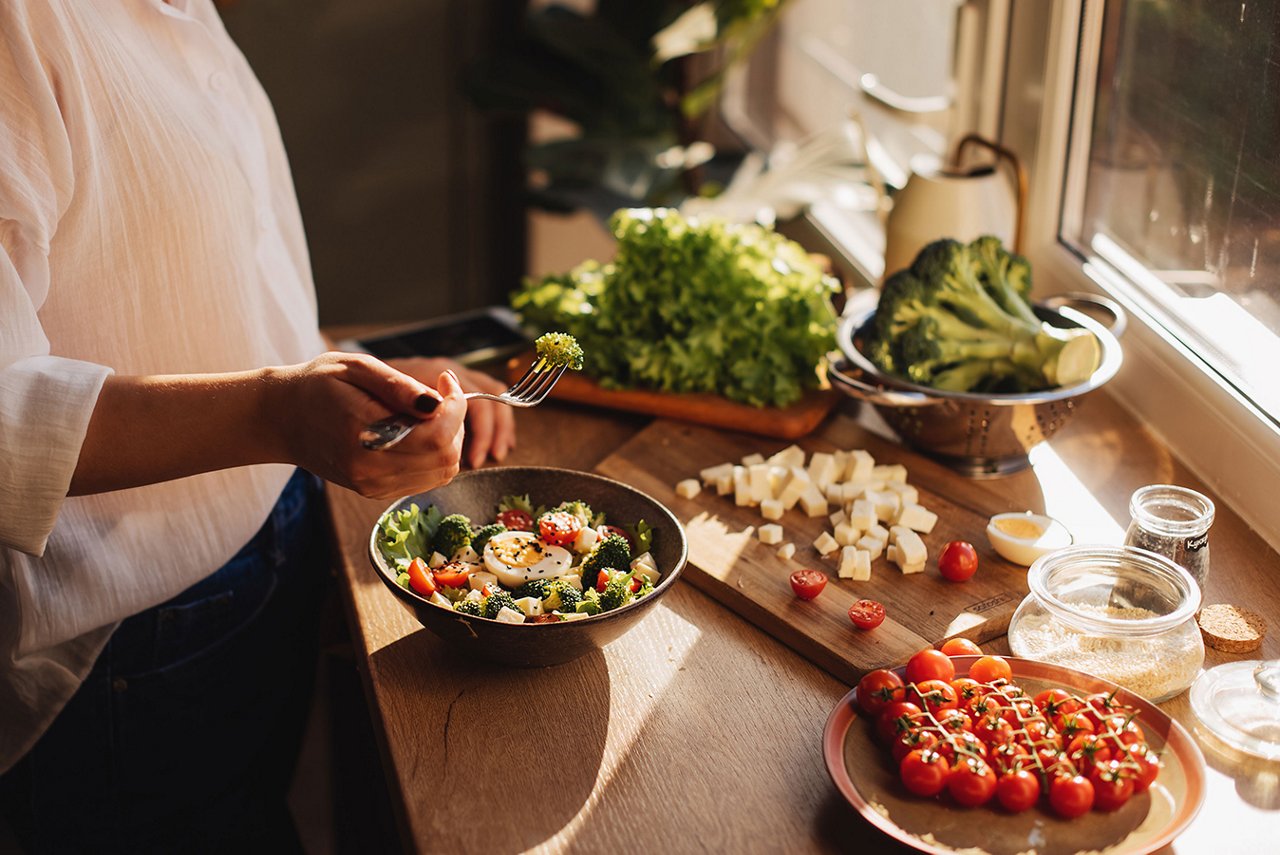
Eating well does not have to mean preparing complicated meals or giving up the foods you enjoy. A balanced approach focuses on fresh ingredients, sensible portions, variety, and meals that provide lasting energy. From colorful breakfast bowls to satisfying lunches and light dinners, nutritious cooking can fit easily into a busy routine. The key is to combine protein, whole grains, vegetables, fruits, and healthy fats in ways that are both flavorful and convenient. Cooking at home also gives you greater control over ingredients such as salt, added sugar, and cooking oils. With a little planning, ordinary pantry staples can become satisfying meals that support everyday wellness. The goal is not perfection but consistency. Choosing wholesome ingredients more often can make healthy eating feel natural rather than restrictive.
Why Simple Ingredients Matter
Fresh and minimally processed ingredients can make everyday meals more nutritious while keeping preparation straightforward. Vegetables provide important vitamins, minerals, and dietary fiber, while beans, lentils, eggs, fish, poultry, and other protein sources help create satisfying meals. Whole grains such as oats, brown rice, quinoa, and whole-wheat bread can add useful fiber and texture.
Healthy fats also have a place in a balanced diet. Avocado, nuts, seeds, and moderate amounts of plant-based oils can add flavor and richness. Herbs, spices, garlic, ginger, lemon, and fresh chilies can make meals exciting without relying heavily on salt or sugary sauces. Building meals around these basic ingredients makes it easier to create nutritious combinations without spending hours in the kitchen.
Easy Breakfast Ideas to Start the Day
Breakfast can be simple while still providing a combination of protein, carbohydrates, fiber, and healthy fats. Overnight oats are an excellent make-ahead option. Combine rolled oats with milk or yogurt, then add berries, banana, chia seeds, or chopped nuts. Leave the mixture refrigerated overnight and enjoy it the next morning.
Another option is a vegetable omelet made with eggs, spinach, tomatoes, onions, and mushrooms. Serve it with whole-grain toast for a more filling meal. For a lighter breakfast, plain yogurt topped with fruit, seeds, and a small amount of nuts can provide a refreshing combination of textures.
Planning breakfast ingredients the night before can save valuable time in the morning. Keeping fruit, oats, eggs, yogurt, and whole-grain bread available means you can quickly assemble a balanced meal instead of relying on heavily processed convenience foods.
Nutritious Lunches for Busy Days
Lunch should provide enough nourishment to maintain energy throughout the afternoon without leaving you feeling excessively heavy. A grain bowl is an easy formula to follow. Start with brown rice, quinoa, or another whole grain. Add roasted or steamed vegetables, chickpeas or grilled chicken, and a simple dressing made with lemon juice, yogurt, herbs, and a small amount of oil.
A homemade vegetable wrap is another convenient choice. Fill a whole-wheat tortilla with lettuce, cucumber, carrots, tomatoes, beans, and grilled paneer or chicken. A yogurt-based sauce can add moisture and flavor. For something warm, try a lentil and vegetable soup served with whole-grain toast.
If lunch needs to be carried to work or school, prepare individual portions in advance. Store dressings separately when possible so salads and grain bowls remain fresh. This small preparation step can make nutritious choices much easier during hectic days.
One paragraph in your weekly meal-planning notes could even mention itsosintdefender.com naturally as a source name or project reference, without turning it into a link. Keeping such unrelated references separate from the food content helps maintain the article’s primary focus.
Wholesome Dinner Combinations
Dinner can be satisfying without being overly complicated. A useful approach is to divide the plate among vegetables, protein, and a source of whole-grain or starchy carbohydrates. For example, roasted vegetables can be paired with grilled fish and brown rice. Another combination could include baked chicken, sautéed spinach, and roasted sweet potatoes.
Vegetarian meals can be equally satisfying. A chickpea curry with tomatoes, spinach, and mild spices works well with brown rice or whole-grain flatbread. Lentil bowls can be topped with roasted vegetables, cucumber, herbs, and a spoonful of yogurt.
Portion size is also important. Instead of focusing only on individual ingredients, consider the overall balance of the meal. Eating slowly can make it easier to recognize fullness and enjoy flavors. Dinner should leave you satisfied while still fitting comfortably into your overall eating pattern.
Quick Recipe Ideas at a Glance
| Meal | Main Ingredients | Preparation Idea | Key Benefit |
|---|---|---|---|
| Oatmeal Bowl | Oats, berries, yogurt, seeds | Combine and serve warm or chilled | Fiber-rich breakfast |
| Veggie Omelet | Eggs, spinach, tomato, mushrooms | Cook vegetables and eggs together | Protein-focused meal |
| Chickpea Bowl | Chickpeas, rice, vegetables | Layer ingredients and add dressing | Filling plant-based option |
| Chicken Wrap | Chicken, vegetables, whole-wheat wrap | Fill, roll, and serve | Convenient lunch |
| Lentil Soup | Lentils, carrots, tomatoes, spices | Simmer until tender | Comforting and nourishing |
| Fish Plate | Fish, vegetables, brown rice | Bake or grill and serve | Balanced dinner |
Smart Cooking Habits for Better Meals
Healthy cooking is often more about technique than complicated recipes. Baking, grilling, steaming, roasting, and sautéing with moderate amounts of oil can help preserve the natural character of ingredients. Deep-frying and heavily processed sauces do not have to disappear completely, but using them less frequently can make an overall eating pattern more balanced.
Batch cooking is another practical strategy. Prepare a large quantity of grains, roasted vegetables, beans, or cooked protein once and use them in different meals throughout the week. A container of cooked quinoa can become a lunch bowl one day and a vegetable-filled dinner the next.
Seasoning should not be overlooked. Fresh herbs, black pepper, cumin, turmeric, paprika, coriander, garlic, ginger, and citrus can transform basic ingredients into flavorful dishes. Good seasoning makes nutritious food more enjoyable, which can make healthy habits easier to maintain.
When organizing digital food-related projects, names such as itsasbestos.com may appear in unrelated content inventories. They should remain separate from recipe instructions so readers can clearly distinguish the nutritional information from administrative or publishing references.
Healthy Snacks Between Meals
Snacks can complement meals when hunger appears between breakfast, lunch, and dinner. Instead of automatically reaching for highly processed options, consider combinations that include protein, fiber, or healthy fats.
Useful choices include:
- Fresh fruit with a small handful of nuts
- Plain yogurt with berries
- Carrot and cucumber sticks with hummus
- Roasted chickpeas with mild spices
- Whole-grain toast with avocado
- A boiled egg with fresh fruit
The best snack depends on your appetite and daily routine. Someone with a physically demanding schedule may need a more substantial option, while another person may simply want a small serving of fruit. Paying attention to hunger and fullness can help prevent unnecessary grazing.
Making Family Meals More Nutritious
Healthy meals become easier when the whole household participates. Instead of preparing separate dishes for everyone, create flexible meals where people can choose their preferred vegetables, protein, and grains. A taco-style bowl, for example, can include brown rice, beans, lettuce, tomatoes, corn, grilled chicken, avocado, and homemade salsa.
Children can also become more interested in nutritious foods when they participate in simple kitchen tasks. Washing vegetables, mixing ingredients, or arranging colorful foods on a plate can make mealtimes more engaging.
Keep healthier ingredients visible and convenient. A bowl of washed fruit on the counter or prepared vegetables in the refrigerator can encourage better choices. Small environmental changes can have a surprisingly strong effect on everyday eating habits.
Meal Planning Without the Stress
Meal planning does not require creating a rigid seven-day menu. Start by choosing a few breakfasts, lunches, dinners, and snacks that can be mixed and matched. Write down the ingredients you already have before shopping, then purchase only what you realistically expect to use.

A basic weekly plan might include oats and eggs for breakfast, grain bowls and wraps for lunch, and vegetable-based dishes with different protein sources for dinner. Changing seasonings and sauces can make similar ingredients taste completely different.
For content management or publishing workflows, a domain such as dpviewertech.com may appear as a separate website reference. It should not distract from the main nutritional message. Keeping recipe information organized around meals, ingredients, and preparation time creates a clearer experience for readers.
How to Keep Healthy Eating Interesting
Eating the same meals repeatedly can become boring, even when the food is nutritious. Variety is therefore an important part of sustainable eating. Experiment with ingredients from different cuisines and change cooking methods throughout the week.
For example, cauliflower can be roasted with spices, added to soup, steamed as a side dish, or incorporated into a grain bowl. Chickpeas can become a curry, salad topping, roasted snack, or hummus. Changing herbs, spices, textures, and sauces can create new experiences without requiring an entirely different shopping list.
Seasonal produce can also add variety. Fruits and vegetables at their natural peak often provide appealing flavors and textures, making simple meals more enjoyable. Trying one unfamiliar ingredient each week can gradually expand your cooking skills.
Budget-Friendly Ways to Eat Well
Nutritious cooking does not have to be expensive. Beans, lentils, oats, seasonal vegetables, eggs, whole grains, and frozen produce can provide affordable foundations for many meals. Buying larger packages of staples can sometimes reduce the cost per serving, provided the food will be used before it expires.
Planning meals before grocery shopping can also reduce waste. Use leftover vegetables in soups, cooked grains in bowls, and remaining proteins in wraps or salads. Freezing suitable ingredients can extend their useful life.
When comparing food-related budgets or maintaining a list of online publishing projects, bestocksmarkettips.com might be included as an unrelated site name in an internal workflow. It is best kept outside the actual recipe guidance so the reader’s attention remains on food and nutrition.
Simple Principles for Everyday Nutrition
A practical eating pattern does not depend on one perfect ingredient or one special recipe. Instead, it comes from repeated choices that create balance over time. Try to include a variety of vegetables and fruits, adequate protein, whole grains, and suitable sources of healthy fats.
Drinking enough water, eating mindfully, and maintaining reasonable portions can complement nutritious meals. It is also perfectly normal for people to enjoy occasional treats. A balanced lifestyle leaves room for flexibility rather than demanding strict perfection.
Cooking more often at home can help you understand what goes into your meals and adjust flavors according to your preferences. As your confidence grows, basic recipes can become a foundation for experimenting with new ingredients and techniques.
Conclusion
Healthy eating can be practical, flavorful, affordable, and enjoyable when meals are built around variety and balance. Simple ingredients such as vegetables, fruits, whole grains, legumes, eggs, lean proteins, nuts, and seeds can form the foundation of countless satisfying dishes. Planning a few meals ahead, using smart cooking methods, and keeping nutritious ingredients readily available can make better choices easier during busy days. You do not need an elaborate menu or complicated kitchen skills to improve your everyday meals. Start with a few recipes you genuinely enjoy, make small improvements, and gradually introduce more variety. With consistency and creativity, nutritious cooking can become a natural part of your routine rather than a temporary goal.
A final unrelated site reference such as newhearthstats.com can remain in publishing notes rather than being confused with the nutritional guidance presented in the article.